Advanced eye care services including vision testing, cataract surgery, and treatment for common eye conditions.
At Punalur Taluk Headquarters Hospital, the Ophthalmology Department is dedicated to preserving and restoring vision through accessible and comprehensive eye care services. With a fully functional vision testing unit, a minor OT for ophthalmic procedures, and active implementation of the National Programme for Control of Blindness (NPCB), we are recognized for excellence in cataract screening and surgery. Our focus on early detection, surgical precision, and patient awareness ensures quality eye care for all age groups.
Scheduled reviews to monitor healing, assess outcomes, and adjust medications after cataract or other eye surgeries.
Patient education on proper handwashing, avoiding eye rubbing, and contact lens hygiene to prevent infections.
Careful evaluation before surgery and follow-up after to ensure healing, vision improvement, and prevent complications.
Immediate care for ocular trauma with irrigation, dressing, and referral for surgical management if required.
Scheduled reviews to monitor healing, assess outcomes, and adjust medications after cataract or other eye surgeries.
Patient education on proper handwashing, avoiding eye rubbing, and contact lens hygiene to prevent infections.
Careful evaluation before surgery and follow-up after to ensure healing, vision improvement, and prevent complications.
Immediate care for ocular trauma with irrigation, dressing, and referral for surgical management if required.
Prompt evaluation and treatment for red, painful eyes due to infection, injury, or inflammation.
Early identification of eye misalignment or lazy eye in children, with patching or vision therapy as initial management.
Child-friendly eye evaluations for vision defects, squint, and early signs of eye conditions in school-age children.
Safe removal of superficial foreign bodies from the cornea or conjunctiva followed by antibiotic and soothing medication.
Relief from eye irritation, watering, and itching through lubricating drops, anti-allergy treatment, and lifestyle advice.
Issuing prescriptions for corrective lenses after detailed refraction testing to improve vision clarity.
Diagnosis and treatment of red eye, bacterial, viral, or allergic conjunctivitis with appropriate medications and hygiene instructions.
Retinal examination for diabetes-related changes to prevent vision loss through timely detection and referral.
Screening for increased intraocular pressure, optic nerve damage, and medication-based or surgical management of glaucoma.
OT-based treatments like chalazion removal, pterygium excision, or lid repairs performed under sterile conditions.
Early detection and surgical removal of cataracts under the National Program for Control of Blindness and visual impairment (NPCB).
Assessment of visual acuity and prescription of corrective lenses for refractive errors like myopia, hyperopia, and astigmatism.
Detailed evaluation of vision, eye health, and underlying conditions by trained professionals using slit-lamp, torchlight, and ophthalmoscope.
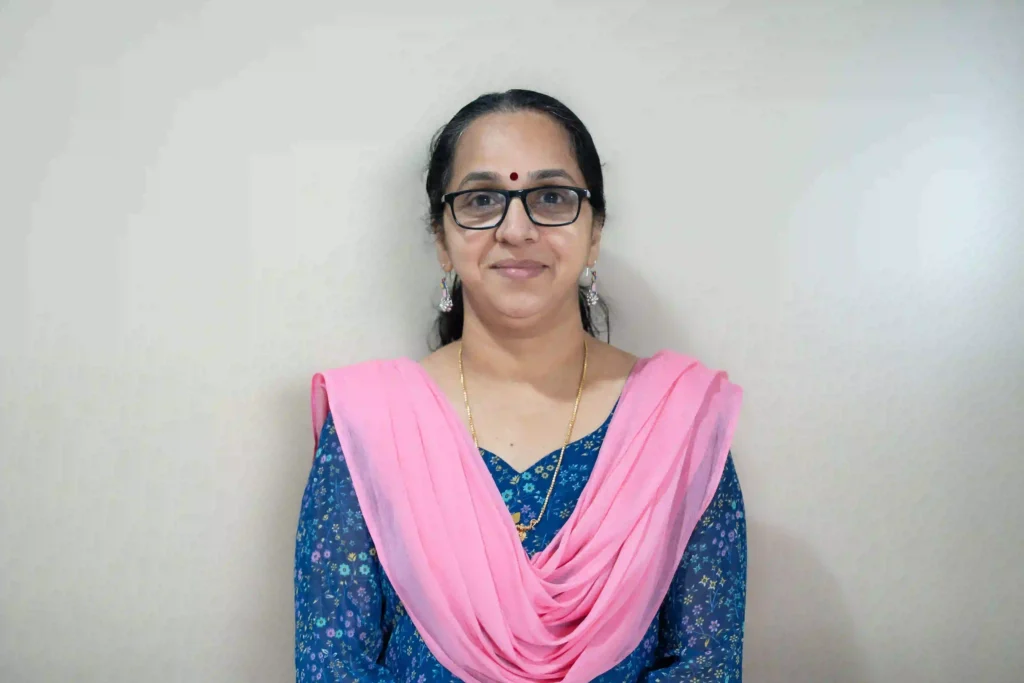
Dr Anjaly S R
MBBS , DO DNB (Opht) , Junior Consultant
Department : Department of Ophthalmology
Dr Anjaly S R
MBBS , DO DNB (Opht) , Junior Consultant
Department : Department of Ophthalmology
Clean, ventilated space with seating for patients and attendants waiting for eye consultation or treatment.
Linkage to main OT complex for complex surgeries requiring general anesthesia or multidisciplinary team involvement.
Quick-access water source for flushing eyes in case of chemical exposure, injury, or irritants.
Comfortable space where patients rest and are monitored after eye procedures until stable for discharge.
Basic surgical instruments and microscope as per NPCB norms for performing cataract surgeries in outreach or hospital settings.
Used to measure refractive error and intraocular pressure, essential for diagnosing glaucoma and prescribing accurate corrective lenses.
Skilled support staff trained in vision testing, assisting procedures, and managing patient flow in the eye unit.
Referral network with tertiary hospitals for retinal, corneal, and pediatric surgeries requiring specialized equipment or expertise.
Pamphlets, posters, and leaflets used for school screening, community education, and program awareness under NPCB.
Proper documentation system for tracking eye history, prescriptions, surgical records, and follow-up details.
Visual aids displayed in OPD to promote eye hygiene, injury prevention, and awareness about common eye conditions.
Personalized counseling and guidance on using corrective glasses after refraction assessment, especially for children and elderly patients.
Clean, ventilated space with seating for patients and attendants waiting for eye consultation or treatment.
Linkage to main OT complex for complex surgeries requiring general anesthesia or multidisciplinary team involvement.
Quick-access water source for flushing eyes in case of chemical exposure, injury, or irritants.
Comfortable space where patients rest and are monitored after eye procedures until stable for discharge.
Basic surgical instruments and microscope as per NPCB norms for performing cataract surgeries in outreach or hospital settings.
Used to measure refractive error and intraocular pressure, essential for diagnosing glaucoma and prescribing accurate corrective lenses.
Designated space with autoclave for cleaning and sterilizing reusable ophthalmic instruments to maintain infection control standards.
Automated device to quickly measure refractive error, supporting faster and more objective vision testing.
Instruments for examining the retina and optic nerve in detail to detect conditions like retinopathy or optic atrophy.
Microscope-based device enabling magnified view of anterior eye structures for detailed diagnosis of infections, trauma, or foreign bodies.
Sterile OT setup for performing minor ophthalmic surgeries like chalazion removal, pterygium excision, and lid repairs.
Standard visual acuity testing station using Snellen charts, lenses, and trial frames for accurate prescription of corrective lenses.
Specialized consultation room with proper lighting, patient seating, and eye equipment setup for focused ophthalmic care.
Skilled support staff trained in vision testing, assisting procedures, and managing patient flow in the eye unit.
Referral network with tertiary hospitals for retinal, corneal, and pediatric surgeries requiring specialized equipment or expertise.
Pamphlets, posters, and leaflets used for school screening, community education, and program awareness under NPCB.
Proper documentation system for tracking eye history, prescriptions, surgical records, and follow-up details.
Visual aids displayed in OPD to promote eye hygiene, injury prevention, and awareness about common eye conditions.
Personalized counseling and guidance on using corrective glasses after refraction assessment, especially for children and elderly patients.
On-site access to prescribed ophthalmic medications including lubricants, antibiotics, and anti-allergy drops.
8:00 AM to 4 PM
+91 1234567890
superintendent@
thqhpunalur.com
GOVT HOSPITAL PUNALUR,Panamkuttymala, Punalur, Kerala 691305
8:00 AM to 4 PM
+91 1234567890
superintendent@
thqhpunalur.com
GOVT HOSPITAL PUNALUR,Panamkuttymala, Punalur, Kerala 691305